

Modern diesel vehicles offer immense power potential, impressive fuel efficiency, and high torque, but at the same time they are equipped with complex environmental systems. The tightening of environmental standards has led to the exhaust system no longer being just a pipe for routing gases outside. Now it is a high-tech complex of sensors, catalysts, and traps, among which a key role is played by the element known as what is a DPF particulate filter. For every car owner operating a diesel vehicle in modern city conditions or taking frequent highway trips, understanding how this unit works becomes the key to engine longevity and budget preservation. Without regular monitoring and timely maintenance, this component can turn from an environmental protector into the driver’s main headache.
Understanding the layout of a modern diesel exhaust system helps spot issues early and prevent expensive repairs to the turbocharger or the engine itself. In a specialized car service environment, we face the consequences of neglecting exhaust tract maintenance regulations every day. A clogged filter creates colossal exhaust gas backpressure, which instantly affects acceleration dynamics, fuel consumption, and the thermal operating mode of the engine. That is why today we will examine the structure of this element, the primary symptoms of its malfunction, the root causes of accelerated wear, and effective restoration methods available in professional workshops and field conditions.
What is a DPF Particulate Filter and How It Works
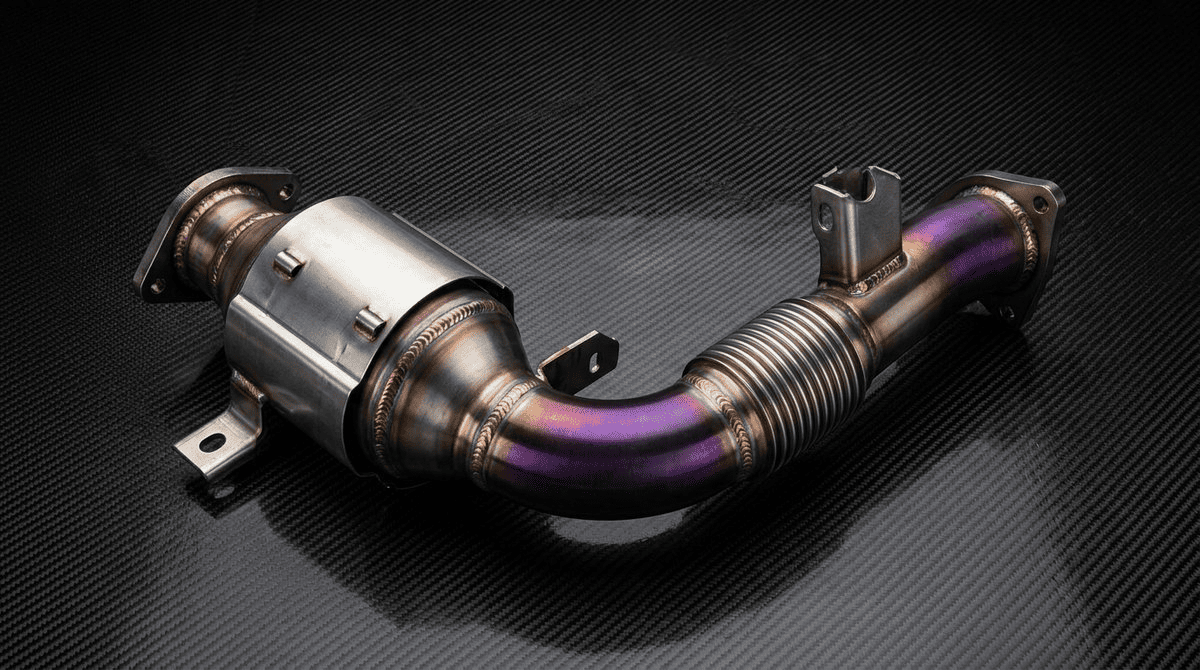
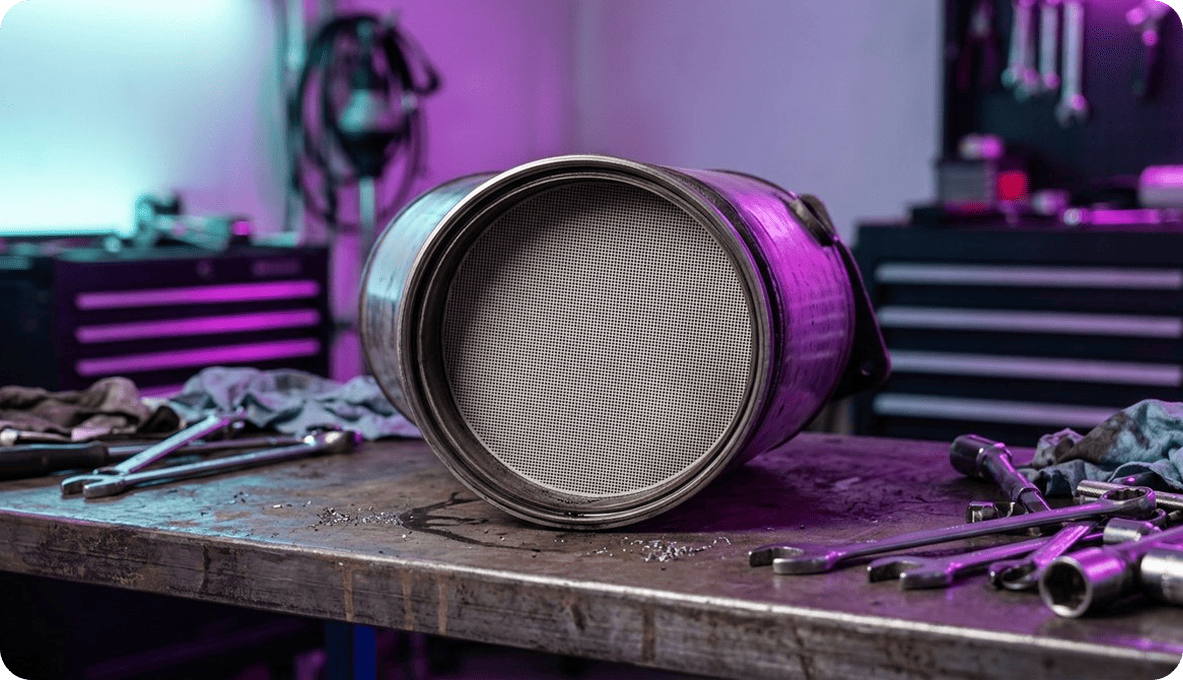
Structurally, a diesel particulate filter is a massive metal housing containing a porous matrix element made of heat-resistant silicon carbide-based ceramics. This matrix is permeated by a complex network of microscopic channels with plugged walls arranged in a checkerboard pattern. When exhaust gases pass through this matrix, they cannot move in a straight line: the flow is forced to seep through the porous partition walls. Solid soot particles, representing unburned carbon microparticles of fuel, settle on the channel walls, while purified gases rush further along the exhaust tract into the atmosphere without hindrance.
Filtration efficiency is staggering: high-quality original filters can capture up to ninety-five percent and more of harmful solid fractions. However, a logical question arises: where does all this accumulated soot go if the filter tends to fill up? Engineers provided for the process of regeneration—the controlled combustion of accumulated soot upon reaching critically high exhaust gas temperatures (usually around 600 degrees Celsius). During regeneration, soot turns into harmless carbon dioxide and a microscopic ash residue. There is passive regeneration, which occurs during prolonged highway driving at high speeds, and active regeneration, which is forcibly initiated by the engine control unit by changing the injection timing and supplying additional fuel to the cylinders.
Despite self-cleaning systems, the resource of the ceramic matrix is not infinite. In addition to combustible soot, engine oil and additives leave behind non-combustible ash in the filter during operation—sulfate compounds that cannot be removed using standard temperature regeneration. Over time, the pores become completely clogged, throughput drops to critical values, and the vehicle enters emergency operating mode. At this point, the vehicle owner has to look for information on how to bring the car back to life, facing the need for professional intervention or complete replacement of the expensive part with a new original spare part.
Why the Diesel Particulate Filter Clogs
The main reason for the premature failure of the exhaust trap is the specific nature of daily vehicle operation in urban mode. Short trips, when the engine does not have time to warm up to operating temperature and the exhaust gases do not heat the ceramic matrix to the self-cleaning threshold, are detrimental to a diesel engine. The control unit simply cannot start the regeneration process, as the algorithm requires a stable high temperature and continuous driving for twenty to thirty minutes. As a result, soot accumulates like an avalanche, clogging the free space of the channels and blocking the free exit of exhaust gases.
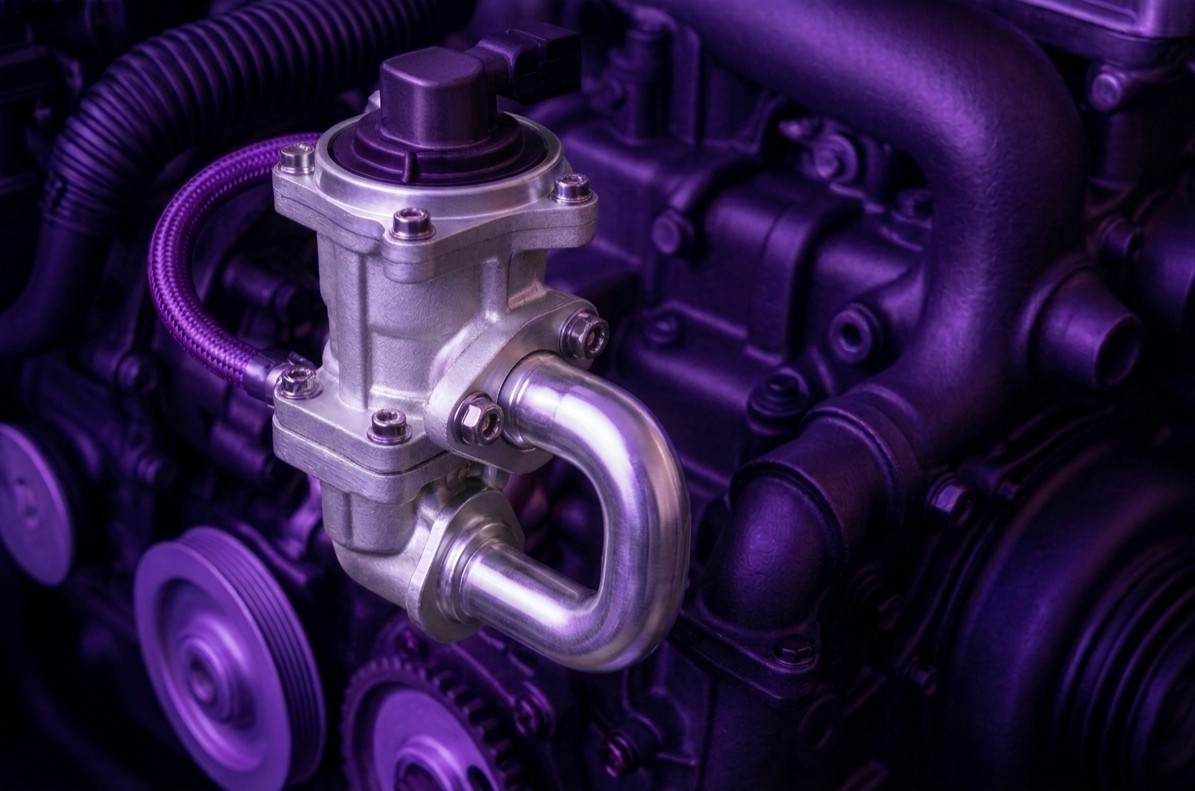
The quality of the fuel used plays an equally important role in the durability of the exhaust system. High sulfur, paraffin, and heavy metal content in cheap or counterfeit diesel fuel leads to the formation of hard-to-remove chemical compounds and ash deposits. These components settle on the ceramic surface as dead weight, destroying the catalytic layer and accelerating the clogging process. In addition, the technical condition of the engine itself directly affects the load on the particulate filter. Worn injectors leaking fuel into combustion chambers, a faulty EGR exhaust gas recirculation valve, a clogged air filter, or turbocharger oil consumption create an excessive amount of soot and oil deposits that the standard regeneration system cannot physically cope with.
One must also not discount the use of engine oil that does not meet the vehicle manufacturer’s specifications. Special low-ash oils labeled Low SAPS (with reduced content of sulfate ash, sulfur, and phosphorus) have been developed for cars with particulate filters. If you pour ordinary full-ash oil, its combustion products will regularly enter the exhaust tract, leaving behind tons of non-combustible ash after burning. This ash permanently settles at the bottom of the filter cells, gradually narrowing its working volume. Thus, even an ideal driving style and regular highway trips will not save the unit if basic maintenance regulations and consumable quality are ignored by the owner.
Signs of a Clogged DPF
Recognizing the problem at an early stage is not something every driver manages, because modern cars are equipped with intelligent electronics that smooth out the first symptoms of power drops. The first and most obvious signal on the dashboard is the illumination of a special particulate filter icon or the Check Engine warning light. Often this symbol is accompanied by an advisory message about the need for exhaust system service or the transition of the engine into an emergency mode, where the electronic unit artificially limits engine speed and torque to protect the turbocharger from destruction due to extreme backpressure.
A noticeable increase in fuel consumption serves as a classic indirect sign that the exhaust tract is clogged. Since the throughput of the ceramic matrix is reduced, the engine has to expend more energy pushing exhaust gases out of the cylinders. The engine control unit records the increased load and tries to compensate for it with an additional portion of fuel, which invariably reflects on the trip computer readings. Furthermore, if the active regeneration process is constantly interrupted by shutting off the engine, unburned fuel can flow down the cylinder walls into the oil pan, diluting the engine oil and raising its level, which is a critical danger signal.
The vehicle’s dynamic characteristics deteriorate sharply: the car begins to react sluggishly to pressing the accelerator pedal, reluctantly gains speed during overtaking, and errors regarding insufficient turbocharger boost pressure may be recorded on the dashboard. Thick smoke with a characteristic acrid smell may come from the exhaust pipe, and extraneous dull sounds or whistling from the turbocharger are clearly audible at idle. Sometimes when trying to start the engine after failed regeneration attempts, the electronics completely block starting, signaling a critical level of resistance in the exhaust system that requires an immediate visit to a specialized maintenance station.
How to Clean the DPF
When diagnostics confirm critical clogging of the exhaust element, the owner faces the choice of a restoration method. The simplest and mildest method is forced service regeneration using a dealer diagnostic scanner. The master forcibly starts the burn-off algorithm in a car service environment, raising engine speed while parked and simulating load. This method is effective only if the soot filling percentage does not exceed the critical mark and there is no excess non-combustible ash in the filter. The method is useless in cases of mechanical damage to the ceramics or critical clogging with ash deposits.
The most technological and safe method of hardware restoration in a professional service environment is hydrodynamic washing with special chemical compounds on a certified test bench. The filter is dismantled from the car and installed in a washing unit, where a special environmentally friendly washing composition combined with water is pumped through in the reverse direction under controlled pressure. The liquid effectively softens, dissolves, and flushes out all accumulated soot and dense layers of sulfate ash without damaging the delicate ceramic structure and catalytic coated layer. After drying and reassembly, the throughput of the unit is restored to factory parameters by ninety-five percent and more.
In advanced cases, when the ceramic block inside the housing has melted due to critical overheating or mechanically collapsed from impact or natural metal fatigue, chemical cleaning and burn-off are powerless. The only technically sound solution is a complete replacement of the part with a new original spare part or a quality licensed analogue. Some car owners choose physical filter removal followed by software deactivation in the control unit, but it is important to remember the legal and environmental consequences of such a step: operating a car without working ecology in European countries and at many inspections becomes impossible, and the exhaust smell significantly degrades the comfort of trips.
Conclusion
A healthy particulate filter is a guarantee of clean exhaust, stable turbocharger operation, and the correct thermal regime of a modern diesel engine. Regular diagnostics, the use of high-quality Low SAPS class oil, refueling with verified fuel, and periodic trips to high-speed highways to ensure passive regeneration can extend the service life of this expensive part by hundreds of thousands of kilometers of mileage. If the symptoms of clogging have made themselves known, do not delay a visit to specialized experts. Timely professional cleaning or maintenance of the exhaust system at the DieselTechnic station will save your nerves, time, and significant financial resources, sparing you from the need for an unplanned purchase of a new unit.