

Modern diesel engines offer incredible fuel efficiency, massive torque, and impressive dynamic performance. However, achieving the strict Euro-5 and Euro-6 environmental standards for clean exhaust comes at the price of a complex and demanding exhaust aftertreatment system. At the center of this system is the diesel particulate filter, universally known by its abbreviation DPF or FAP. On specialized forums and inside auto repair shops, heated debates around this component never stop. Some drivers operate their vehicles for years without ever suspecting such a filter even exists, while others regularly face engine limp modes, check-engine lights on the dashboard, and costly repairs.
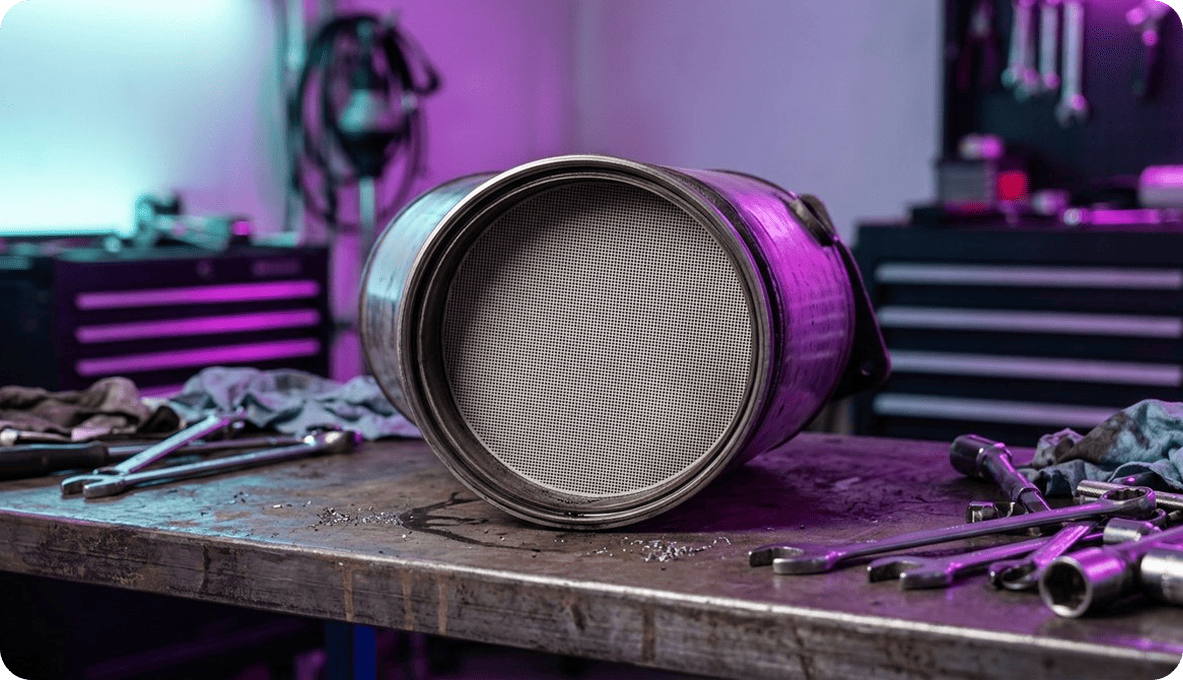
The primary task of a diesel particulate filter is to trap microscopic soot particles that inevitably form during the incomplete combustion of heavy diesel fuel. These carbon particles possess carcinogenic properties and pose a serious threat to the environment and human health. As exhaust gases pass through the filter’s channels, made of porous silicon carbide ceramics, they are cleaned by nearly 99 percent. Yet, as the vehicle is driven, soot steadily accumulates inside the channels. If left unchecked, the filter becomes completely clogged, backpressure in the exhaust system rises to critical levels, the engine loses power, starts smoking heavily, and in the worst case, seizes due to turbocharger oil starvation or blow-by gases.
This is precisely why engineers developed an automatic self-cleaning mechanism known as regeneration. The concept looks elegant: the filter should clean itself automatically while the vehicle is being driven, burning off accumulated soot at extremely high temperatures. Nevertheless, in real-world practice, this delicate physical and chemical process frequently fails. Under conditions of dense city traffic, short daily commutes, and inconsistent fuel quality, the regeneration system simply cannot complete its cycle. As a result, soot chokes the filter pores, the engine control unit logs a fault code, and the car owner faces the need for urgent professional intervention at a service center.
What Is DPF Regeneration and What Is Its Physicochemical Principle
To understand the core of the process, we need to look inside the exhaust system and examine the terminology. The phrase “what is DPF regeneration” refers to the thermal burnout procedure targeting soot deposits accumulated on the walls of the filter elements. During standard diesel engine operation, exhaust gas temperatures rarely rise above 250 to 350 degrees Celsius. This level is sufficient for the normal operation of the turbocharger and catalytic converter, but catastrophically low for the self-cleaning of a particulate filter. For carbon to begin oxidizing and converting into carbon dioxide, the temperature inside the filter itself must reach 600 to 650 degrees Celsius.
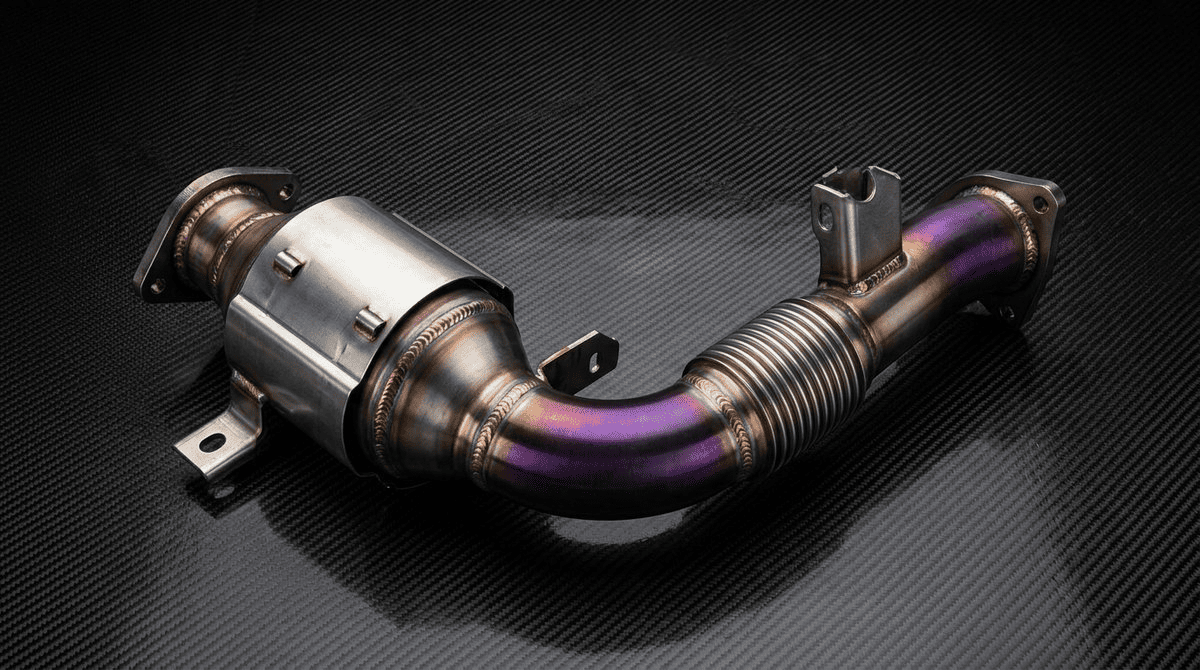
Achieving such high temperatures under normal driving conditions is impossible, which is why the engine control unit (ECU) utilizes specialized forced heating algorithms. When differential pressure sensors register a specific level of channel saturation, the ECU triggers a special fuel injection cycle. In addition to the primary fuel injection into the cylinders, an extra dose of fuel is introduced during the exhaust or late combustion stroke. This fuel does not burn completely in the combustion chamber; instead, it enters the exhaust manifold as vapor, where it burns on the surface of the catalytic coating, sharply raising the temperature of the gases heading toward the particulate filter.
There are several variations of this process, each with its own technological features. Passive regeneration occurs naturally during highway driving at high speeds, when exhaust temperature rises due to high engine load. Active regeneration is initiated artificially by the car’s electronics when passive cleaning is impossible due to urban driving conditions. Finally, service regeneration is triggered by technicians using diagnostic equipment in stationary workshop conditions when the vehicle’s automatic system is powerless due to a critical level of clogging.
How DPF Regeneration Occurs in Real Road Conditions and at the Service Center
Many motorists do not even realize that the cleaning process is underway while they are stuck in traffic or driving along a ring road. Understanding how DPF regeneration works helps recognize symptoms on time and avoid interrupting an important procedure by turning off the engine. When the ECU decides that a burn-off is necessary, it modifies the engine operation algorithm. The driver may notice characteristic changes in vehicle behavior: idle speed rises slightly, instantaneous fuel consumption while idling doubles or triples, a specific smell of hot metal or burning may come from the tailpipe, and the cooling fan continues running at maximum speed even after the ignition is switched off.
Under ideal conditions, active regeneration lasts from fifteen to thirty minutes. During this time, it is highly recommended to maintain engine speed around 2500 to 3000 RPM, driving at an elevated speed on an out-of-town highway. If the driver interrupts this process by turning off the ignition at a traffic light or upon arriving home, the fuel injected for heating may not burn completely. It can wash down the cylinder walls into the engine oil, diluting it and degrading its lubricating properties. Repeated interruptions of the regeneration cycle cause soot to bake into dense agglomerates that can no longer be removed by standard methods.
If automated cleaning attempts fail several times in a row, the particulate filter warning lamp or glow plug indicator illuminates on the dashboard. At this point, operating the vehicle becomes risky, and a visit to a specialized maintenance station is required. At the service center, technicians connect a diagnostic scanner, check the ash level and general condition of the filter, and then initiate forced regeneration in a stationary mode. The engine runs at elevated RPM for an extended period under the full control of computer software, which ensures that the temperature inside the exhaust tract does not exceed critical limits and melt the ceramic honeycomb structure.
Why Regeneration Fails to Start: Main Causes and Hidden Faults
One of the most frequent problems bringing diesel owners into repair shops is a situation where the filter is clogged to the limit, but the electronics refuse to initiate the cleaning process. The question of why regeneration will not start concerns everyone who has encountered engine limp mode. There can be many reasons, all tied to the complex interconnection of sensors and actuators in a modern engine. The ECU will never initiate a burn-off cycle if active fault codes are registered in other control systems, as this could lead to serious mechanical failure or fire.
The first and primary barrier to starting regeneration is a faulty exhaust gas temperature sensor. The particulate filter is equipped with multiple thermocouples before and after the housing. If even one sensor provides incorrect readings or fails, the control unit loses track of the temperature in the exhaust tract and blocks any attempts to raise it artificially. A similar situation occurs when the differential pressure sensor fails. If the sensor pipes are blocked with soot or the sensor itself outputs incorrect pressure values, the ECU cannot determine how clogged the filter is and considers any action unsafe.
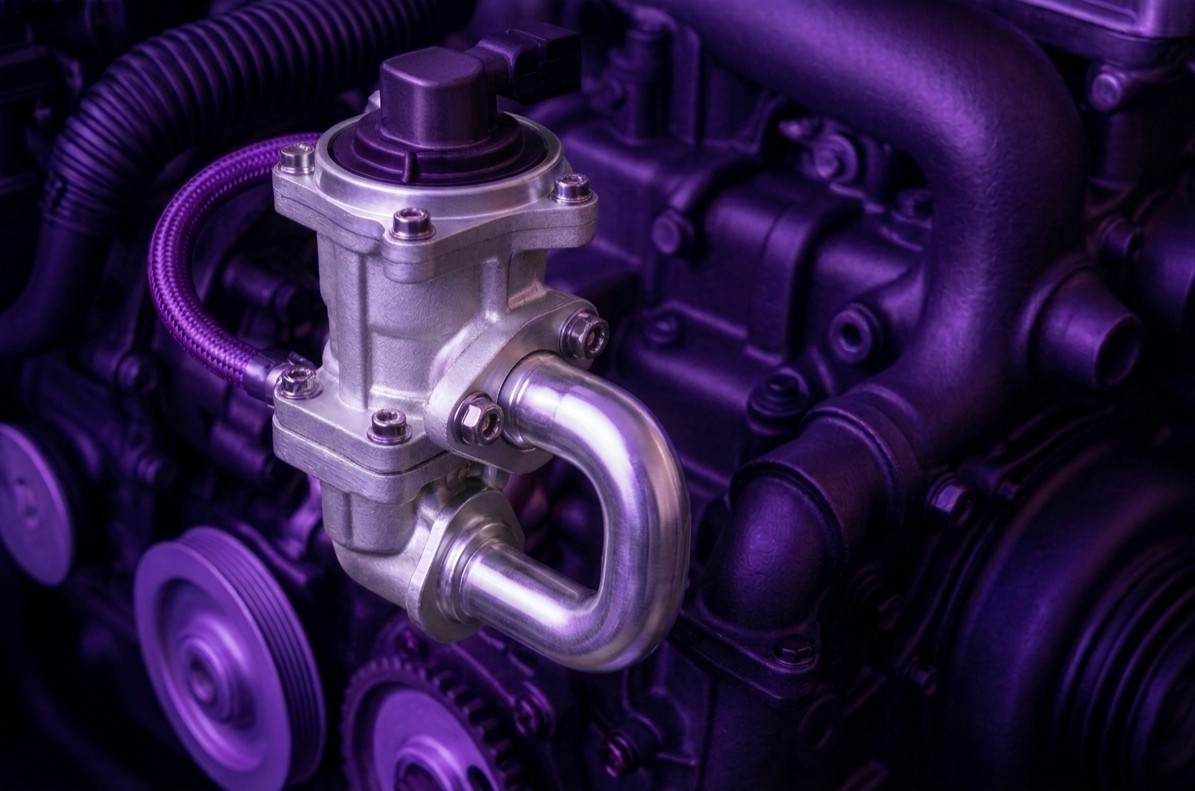
The second critical factor is the condition of the fuel and air intake systems. Worn fuel injectors that dribble fuel into the cylinders instead of producing a fine spray generate an excess of soot that the filter physically cannot handle. Issues with the exhaust gas recirculation system, a stuck EGR valve, a torn intercooler hose, or a faulty turbocharger will also completely block the initiation of regeneration. Finally, a critically important condition is the oil level and remaining fuel in the tank. If only a couple of liters of diesel remain in the tank or the engine oil level exceeds normal limits due to fuel dilution, the control unit will flatly refuse to run the cleaning procedure.
How Often Regeneration Occurs and What Influences Its Frequency
The question of how often regeneration occurs has no universal answer, as this interval depends directly on the operating conditions of a specific vehicle, fuel quality, and engine health. Under intensive long-distance highway driving, passive regeneration can occur continuously, and the driver may never notice the system working. In this case, accumulated soot oxidizes constantly at relatively moderate exhaust temperatures, and the interval between active burn-offs can reach a thousand kilometers or more.
A completely different picture emerges during city driving, where the vehicle spends most of its time in traffic jams, making short trips of five to ten kilometers. Under such conditions, the engine never even reaches its operating temperature, and soot forms in large quantities due to frequent acceleration and braking. In urban environments, active regeneration can trigger every 200 to 400 kilometers of mileage. If the owner takes exclusively short trips, the system physically cannot finish the cleaning cycle, leading to rapid filter saturation and the engine entering a protective limp mode.
In addition to driving style, fuel quality has an enormous impact on cleaning frequency. High sulfur content, paraffins, and heavy fractions in questionable fuel lead to non-combustible residue and ash that settle permanently at the bottom of the filter channels. Engine oil also plays a massive role. Using high-ash oils complying with Full SAPS standards instead of specialized Low SAPS or Mid SAPS oils causes ash to clog the filter much faster, shortening its overall service life. This is precisely why following manufacturer recommendations for lubricant selection is the key to the longevity of the entire exhaust system.
Preventive Maintenance and Methods to Extend Particulate Filter Lifespan
To minimize the risk of costly particulate filter replacement or complex software deletion, you must follow simple yet effective preventive rules. First and foremost, you should re-evaluate your driving habits. If a vehicle is used exclusively for short trips down to the local store, a diesel engine with a particulate filter is far from the best choice. Periodically, a diesel vehicle requires a quality run on an open road or ring highway for at least thirty kilometers at stable speeds to allow the passive cleaning system to clear the channels naturally.
You should refuel exclusively at trusted gas stations offering certified Euro-standard diesel fuel with minimal sulfur content. Saving money on fuel initially always turns into vastly higher expenses for repairing fuel equipment and purchasing a new filter. Regular engine diagnostics, timely replacement of air and fuel filters, and checking the condition of the injectors and turbocharger help keep soot levels to a minimum and prevent emergency situations.
Ignoring the initial symptoms of exhaust system problems inevitably leads to severe consequences. If the particulate filter indicator lights up on the dashboard, you must not delay a diagnostic check. Timely computer adaptation, forced service regeneration, or replacement of worn sensors will cost significantly less than completely replacing an expensive exhaust component or overhauling a turbocharger damaged by the backpressure of a clogged filter.
Conclusion
The particulate filter in a modern diesel vehicle is not merely a useless environmental relic, but a complex technological unit requiring an understanding of its operating principles and regular maintenance. The regeneration process is a finely tuned complex of physical and chemical reactions aimed at self-cleaning the filter channels from carbon deposits. Understanding how this mechanism works, why it may fail, and how often burn-offs should occur enables car owners to avoid unexpected breakdowns and expensive repairs. The key to the long and trouble-free operation of a diesel engine lies in quality fuel, correct motor oil selection, regular highway trips, and timely visits to professional auto repair specialists at the first sign of trouble in the exhaust cleaning system.