

A modern car is a complex system of electronic and mechanical components where every single part serves one main goal: achieving maximum efficiency with minimal environmental impact. In pursuit of strict emissions standards, automotive engineers have developed numerous auxiliary components, among which the Exhaust Gas Recirculation (EGR) system plays a crucial role. Owners of both diesel and gasoline engines eventually encounter the term EGR. While this unit is responsible for reducing exhaust toxicity, its malfunction can transform a powerful, fuel-efficient engine into a finicky mechanism plagued by idling issues, black exhaust smoke, and power loss.
Understanding how this device operates enables drivers to recognize early symptoms of trouble and prevent costly repairs to the fuel system or cylinder-piston group. Specialists at specialized auto repair centers know that ignoring issues with exhaust gas recirculation inevitably triggers a domino effect of wear across related engine components. In this article, we will examine in detail what role the EGR valve plays in a modern engine, why it fails, how to identify malfunctions through self-inspection or basic diagnostics, and provide effective maintenance recommendations.
What Is an EGR Valve and What Is Its Purpose in an Engine?
To fully understand the subject, it is essential to look at the fundamental processes occurring inside the combustion chamber. The combustion of an air-fuel mixture generates an immense amount of heat. When cylinder temperatures exceed 1,700 degrees Celsius (3,092°F), nitrogen and oxygen present in the intake air begin to react chemically with each other. This reaction results in the formation of nitrogen oxides (NOx)—highly toxic compounds that harm both the atmosphere and human health. The Exhaust Gas Recirculation system was designed specifically to combat these emissions.
The primary function of the device is to route a portion of the exhaust gases back into the intake manifold during specific engine operating modes. Having already released their energy, these exhaust gases contain less oxygen and possess high heat capacity. When introduced into the cylinders alongside a fresh charge of air and fuel, this inert ballast slows down the combustion speed and lowers peak temperatures inside the combustion chamber. As a result, the chemical conditions required for harmful nitrogen oxide formation are significantly reduced. Thus, the device performs a purely environmental role, although its operation directly impacts the dynamic characteristics and overall running stability of the engine.
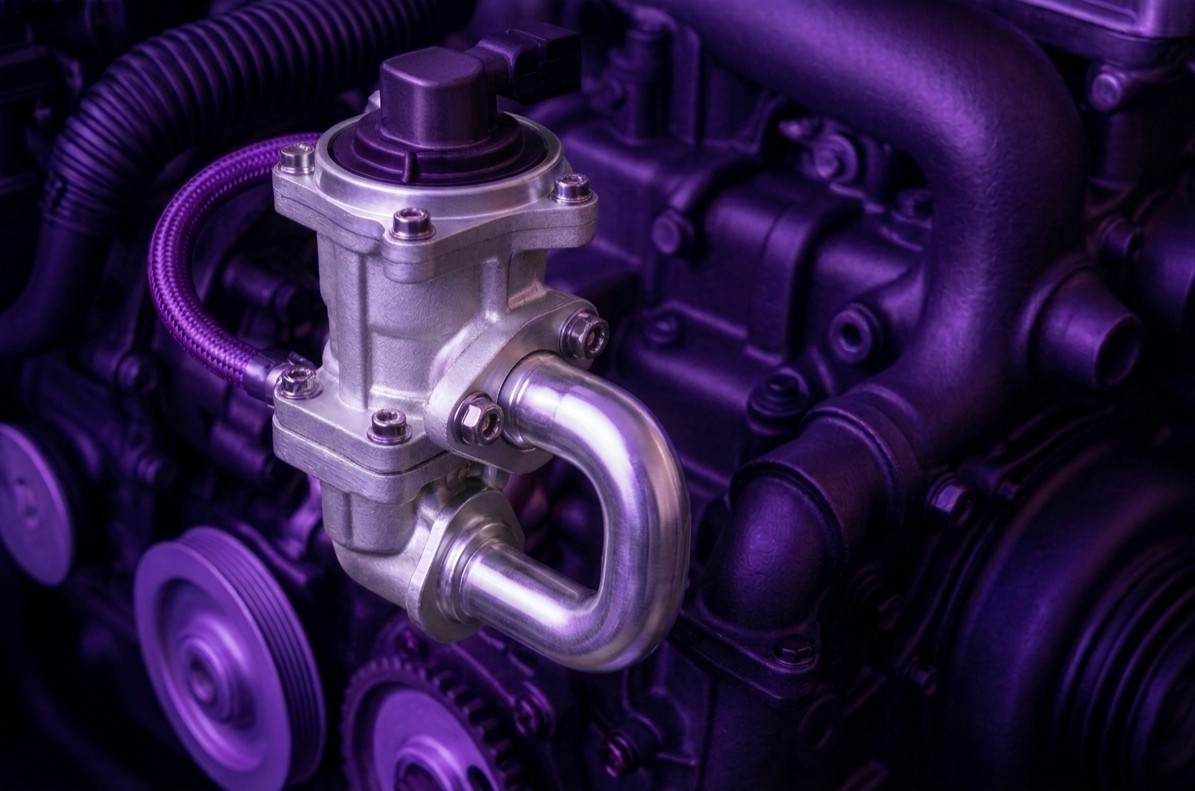
It is worth noting that the system does not operate continuously. The engine control unit (ECU) completely shuts off exhaust gas recirculation during idling to maintain stable engine operation and prevent stalling, as well as during maximum engine loads when full power is required for dynamic acceleration. The valve opens primarily under partial load conditions and during steady highway cruising. Structurally, the unit is a precision valve with an electric or pneumatic actuator that opens to a precisely calculated angle based on signals from the onboard computer.
Causes of EGR Failure: Why Does the Unit Break Down?
The operating conditions for this component are extreme. It comes into constant contact with hot exhaust gases containing unburned hydrocarbons, soot, oil vapors, and moisture condensation. Over time, a thick layer of carbon buildup and sticky resinous deposits inevitably forms on the internal surfaces of the mechanism and its stem. This is the single most common cause of valve failure. Accumulated soot restricts the free movement of the stem, causing the valve to jam in either an open or closed position. If the stem becomes stuck open, exhaust gases flow into the intake manifold continuously, leading to erratic idling and acceleration hesitation.
A second major factor accelerating wear is low-quality fuel and motor oil. Low-grade diesel fuel with high sulfur and impurity content produces massive amounts of sticky soot during combustion, clogging internal passages much faster than standard maintenance schedules anticipate. Furthermore, if motor oil enters the combustion chamber due to worn valve stem seals or a leaking turbocharger, it mixes with soot in the exhaust stream. This heat-resistant, tar-like sludge settles heavily on the valve plate and housing walls, completely paralyzing the moving parts of the mechanism.
Mechanical and electrical wear of component parts must also be taken into account. In modern vehicles, valve actuation is frequently handled by a stepper electric motor and reduction gear housed within the same assembly. Prolonged exposure to high temperatures degrades lubricant, overheats electric motor windings, and strips plastic gears. In some instances, system failure is simply caused by oxidized wiring harness connectors or broken control circuits resulting from engine bay vibration, which diagnostic scanners register as stored fault codes.
Key Symptoms of a Malfunctioning EGR Valve
Recognizing that the recirculation system has failed is relatively straightforward through a series of characteristic symptoms that rarely go unnoticed by an attentive driver. The most obvious sign is an illuminated Check Engine light on the dashboard. The onboard computer registers deviations in airflow, boost pressure discrepancies, or a lack of response to control signals, subsequently putting the engine into limp mode. While the vehicle remains drivable, throttle response becomes sluggish and maximum speed is restricted by electronics.
A second prominent symptom is unstable engine idling. If accumulated dirt causes the valve to stick partially open, exhaust gases enter the intake manifold continuously—even while stationary at a red light. The resulting oxygen deficiency makes the air-fuel mixture lean or causes uneven combustion, triggering severe engine shaking, fluctuating RPMs, or complete engine stalling when letting off the gas pedal. Drivers may feel noticeable shudders and vibrations transmitted through the chassis and gear selector.
A third indicator of trouble is a noticeable increase in fuel consumption accompanied by unusual engine noises or black smoke from the exhaust pipe. Incorrect mixture ratios force the ECU to adjust fuel delivery constantly to stabilize RPMs, leading to increased fuel usage. If the valve stem is physically bent or damaged, a distinct metallic rattling or whistling noise may be heard around the intake manifold, indicating gas leaks through compromised seals.
How to Test an EGR Valve: DIY and Professional Diagnostics
Diagnosing the operational status of the unit begins with visual inspection and computer diagnostic scanning. Utilizing a professional diagnostic scanner allows technicians to monitor the live percentage of valve opening and compare target values against actual readings from the mass airflow (MAF) sensor or position sensor. If commanding the valve to open via diagnostic software produces no change in engine behavior or sensor values, it directly points to an electrical open circuit or total mechanical seizure.
For a thorough evaluation, the assembly must be removed from the vehicle. Removal often requires specific tools and technical skills, particularly on modern diesel engines where space around pipes and mounting hardware is restricted. Once removed, the technician assesses the level of soot accumulation inside the passages and on the valve plate. Smooth, unhindered stem travel when manually pressed or briefly energized indicates that the mechanical assembly is intact.
If the stem fails to move or requires excessive force, a cleaning procedure using specialized carbon-cleaning chemicals is performed. In cases where chemical cleaning fails to restore movement or the solenoid winding is damaged, the unit must be replaced with a new OEM part or a high-quality aftermarket equivalent. It is important to remember that simply blocking the system with blanking plates without reprogramming the ECU on modern vehicles will trigger persistent dashboard errors and disrupt the operation of related emission control sensors.
Maintenance Recommendations and Conclusion
To minimize the risk of premature failure of this delicate exhaust component, vehicle owners should follow a few straightforward operational guidelines. First and foremost, refueling exclusively with high-quality fuel from reputable gas stations is essential, as excess sulfur and heavy fractions speed up soot formation tenfold. Using certified motor oils with low ash content (Low SAPS) matching manufacturer specifications also protects the intake tract from sticky oil-soot sludge buildup.
Additionally, it is beneficial to periodically run the engine at higher RPMs during highway driving. Sustained high-speed driving promotes natural self-cleaning of the exhaust tract and recirculation components through elevated exhaust temperatures and high gas flow rates. Regular fuel system diagnostics and timely scheduled maintenance at a specialized auto repair shop guarantee a long service life for all engine components.
Promptly addressing the first signs of erratic engine performance saves you from expensive repairs and vehicle downtime. Keeping your vehicle’s systems clean and relying on professionals for diagnostics will ensure your engine delivers dependable performance and optimal fuel economy for hundreds of thousands of miles.