Check Engine diagnosticsDPF cleaningEGR valve diagnostics and repairAdBlue system diagnostics and refillSCR maintenanceNOx sensor diagnosticsCheck Engine diagnosticsDPF cleaningEGR valve diagnostics and repairAdBlue system diagnostics and refillSCR maintenanceNOx sensor diagnostics
WE WORK WITH ALL SYSTEMS THAT AFFECT VEHICLE EMISSIONS
WE WORK WITH ALL SYSTEMS THAT AFFECT VEHICLE EMISSIONS
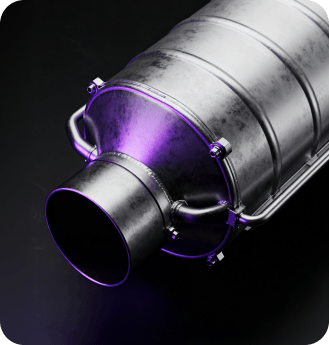
DPF (DIESEL PARTICULATE FILTER)
diagnostics, cleaning, restoration, replacement
EGR SYSTEM
EGR valve, cooler, exhaust gas recirculation system
AdBlue / SCR SYSTEM
pump, injection nozzle, sensors, system control
TURBOCHARGER AND BOOST SYSTEM
pressure check, turbo geometry, air leaks
FUEL SYSTEM
injectors, high-pressure fuel pump, fuel pressure
EXHAUST SYSTEM SENSORS
pressure sensors, temperature sensors, EGT, NOx
DPF REGENERATION SYSTEM
correct regeneration cycle and control electronics performance
BOOK AN INSPECTION
Diagnostics take up to 1 hour - quick and convenient!
I agree to the processing of my personal data
WHAT IS INCLUDED IN THE DIAGNOSTICS
During the inspection, we analyze:
solid particle concentration
differential pressure in the DPF system
the condition of the AdBlue system
exhaust gas temperature
the condition of the pressure and temperature sensors
regeneration system performance
injector condition
turbocharger performance
the EGR system
This gives us a clear picture of the actual condition of the exhaust system.
THE VEHICLE IS MAINLY USED IN THE CITY FOR SHORT DISTANCES
Frequent short trips prevent the exhaust system from fully warming up, which can cause the filters to clog faster.
THE DPF WARNING LIGHT HAS COME ON
This indicates problems with the particulate filter that require inspection or cleaning.
THE VEHICLE FAILED THE TECHNICAL INSPECTION
Issues in the exhaust system can be the reason for failing the emissions test.
THE VEHICLE REGENERATES FREQUENTLY
Frequent regeneration indicates that the particulate filter is clogging too quickly.
THERE HAS BEEN A LOSS OF POWER
A clogged exhaust system reduces engine efficiency.
FUEL CONSUMPTION HAS INCREASED
A clogged filter interferes with normal engine operation, which leads to higher fuel consumption.
ACRID SMOKE IS COMING FROM THE EXHAUST PIPE
This is a sign of improper fuel combustion or particulate filter problems.
OIL CONSUMPTION HAS INCREASED SIGNIFICANTLY
This may indicate engine wear or issues with the exhaust system.
Even if there are no warning messages, an inspection helps assess the system's condition in advance. Regular diagnostics help identify hidden issues before they lead to serious breakdowns.
Many drivers ignore the first signs of an exhaust system fault, thinking the "warning will go away on its own"
In practice, this can lead to serious failures and major expenses.
A new particulate filter is one of the most expensive components in the exhaust system.
Approximate price of original DPF units:
Volvo — up to 2500 €
Range Rover — up to 3700 €
Kia — up to 4200 €
Volvo — up to 2500 €
Range Rover — up to 3700 €
Kia — up to 4200 €
At the same time, in many cases the cause of the problem is not the filter itself, but the sensors, injectors, or the boost system.
Diagnostics make it possible to determine this before any repair work begins.
Diagnostics + a printout of parameters and a clear understanding of what needs to be repaired.
I agree to the processing of my personal data
DPF (diesel particulate filter)
diagnostics, cleaning, restoration, replacement
The diesel particulate filter (DPF) is responsible for trapping particulate matter in the exhaust and directly affects passing the vehicle inspection.
We carry out comprehensive DPF diagnostics: checking soot and ash levels, differential pressure, sensor performance, and the correctness of the regeneration process.
Depending on the filter’s condition, we perform cleaning, restoration, or replacement.
It is important to understand that the filter rarely fails on its own, so we also analyze the systems that affect its operation in parallel.
EGR System
EGR valve, cooler, exhaust gas recirculation system
The EGR system is responsible for recirculating exhaust gases and directly affects soot formation.
We diagnose the condition of the EGR valve, cooler, and system channels.
We check for coking, correct opening/closing, and the operation of the control electronics.
A faulty EGR often causes increased soot, unstable engine performance, and issues with the DPF.
AdBlue / SCR System
pump, injection nozzle, sensors, system control
The AdBlue (SCR) system reduces nitrogen oxide emissions and is part of the vehicle’s environmental system.
We check the AdBlue pump, injection nozzle, NOx sensors, and the operation of the control system.
Diagnostics allow us to identify dosing errors, sensor malfunctions, and injection system failures.
Incorrect SCR operation can lead to dashboard warnings, power limitations, and issues during vehicle inspection.
Turbocharger and Boost System
pressure check, turbine geometry, air leak inspection
The boost system directly affects soot formation and engine performance.
We check boost pressure, turbine geometry, the presence of air leaks, and the overall condition of the system.
A faulty turbocharger can cause power loss, increased fuel consumption, and higher soot production.